Store wall concepts that maximise branding and functionality
Store walls define how a retail space works. They influence how customers move through the store, how products are perceived, and how clearly your brand is communicated. At the same time, store walls are used every day by staff for restocking, remerchandising, and seasonal changes. A wall concept that looks good but fails operationally creates friction in daily use.
A store wall concept must therefore support two things at once: it must communicate your brand consistently and function reliably in everyday retail operations. This article explains how store wall concepts achieve that balance and what to look for when selecting a system.
In this blog:

Store walls as a spatial and organisational tool
Store walls are not decoration. They structure the retail space. By defining vertical zones for products, information, and branding, wall concepts influence how customers read the store layout.
A well-designed wall concept helps customers understand where product categories start and end. It creates visual order and reduces the need for additional signage or floor fixtures. This improves navigation and keeps floor space available for movement and interaction.
Modular wall systems support this spatial role by allowing you to adjust layouts without rebuilding. When product ranges expand or change, wall zones can be redefined using the same structural base.
Branding through consistency, not repetition
Branding on store walls works through consistency rather than volume. Repeating logos or colours does not strengthen a brand if the layout feels chaotic. Consistent spacing, alignment, and material use are more effective.
Store wall systems based on uniform panel dimensions and fixed mounting lines help maintain this consistency. Shelves, graphics, and product supports align naturally, creating a visual rhythm that customers recognise across the store.
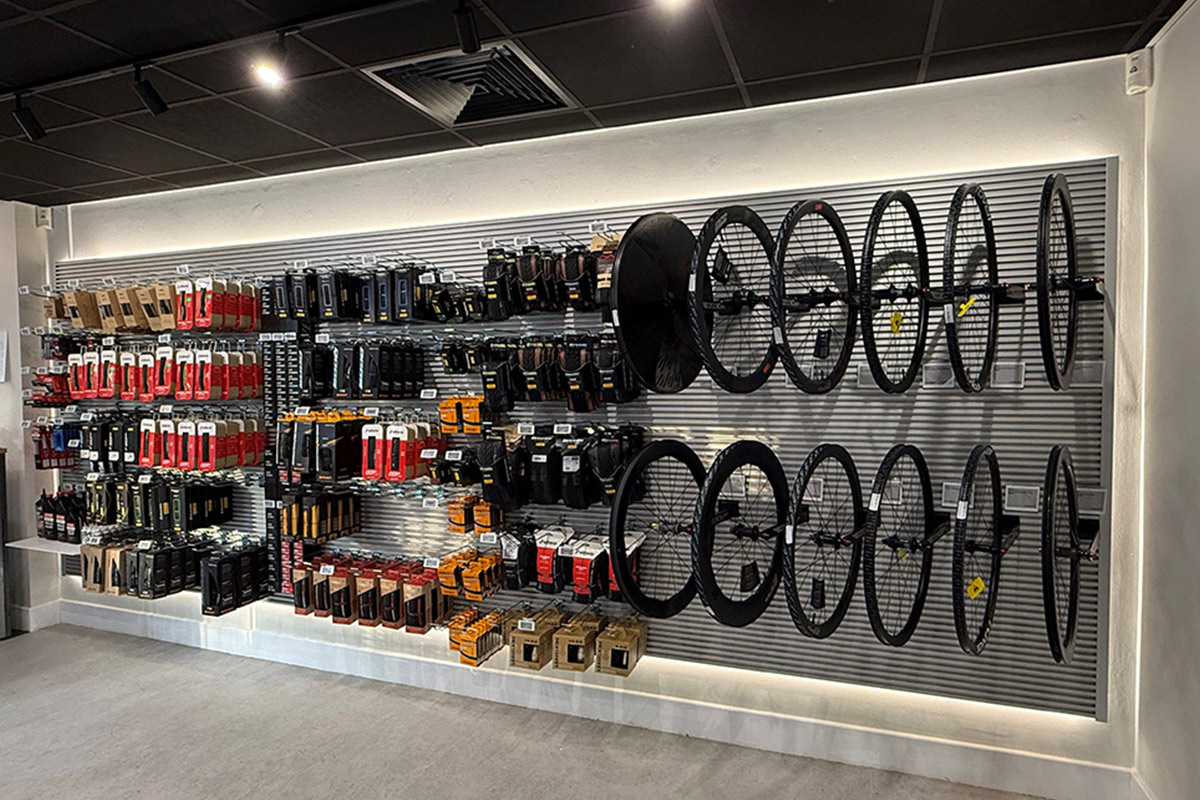
Systems that use aluminium slatwall panels provide a neutral but precise base for branding elements.
Because the underlying structure remains unchanged, branding elements can be updated without affecting the overall layout. This allows stores to refresh campaigns while preserving recognisability.
Functionality in day-to-day retail use
Functionality becomes visible when a store is in operation. Staff adjust shelves, replace products, and respond to stock changes. If a wall system requires tools, precise measurements, or specialist knowledge, it slows down these processes.
Effective store wall concepts are designed for repeated handling. Shelves and accessories mount directly into predefined positions. Adjustments can be made quickly and safely. Load capacities are clear, so heavier products are placed correctly.
Integrating shelving into wall systems supports this operational clarity. This reduces the need for freestanding units and keeps the store layout flexible.
Using vertical space without overcrowding
Retail walls offer valuable vertical space, but using all available height does not automatically improve performance. Overloaded walls reduce visibility and make products harder to evaluate.
Store wall concepts that maximise functionality focus on controlled density. They allow you to vary shelf spacing and create breathing room around key products. This helps customers focus on selected items while still offering depth in the assortment.
Because modular systems allow quick reconfiguration, density can be adjusted based on sales data, seasonality, or product size. This makes the wall an adaptable sales surface rather than a fixed installation.
Integrating store walls with the wider store layout
Store walls do not function in isolation. They must integrate with counters, freestanding displays, and promotional zones. A wall concept that cannot connect with other display elements limits layout options.
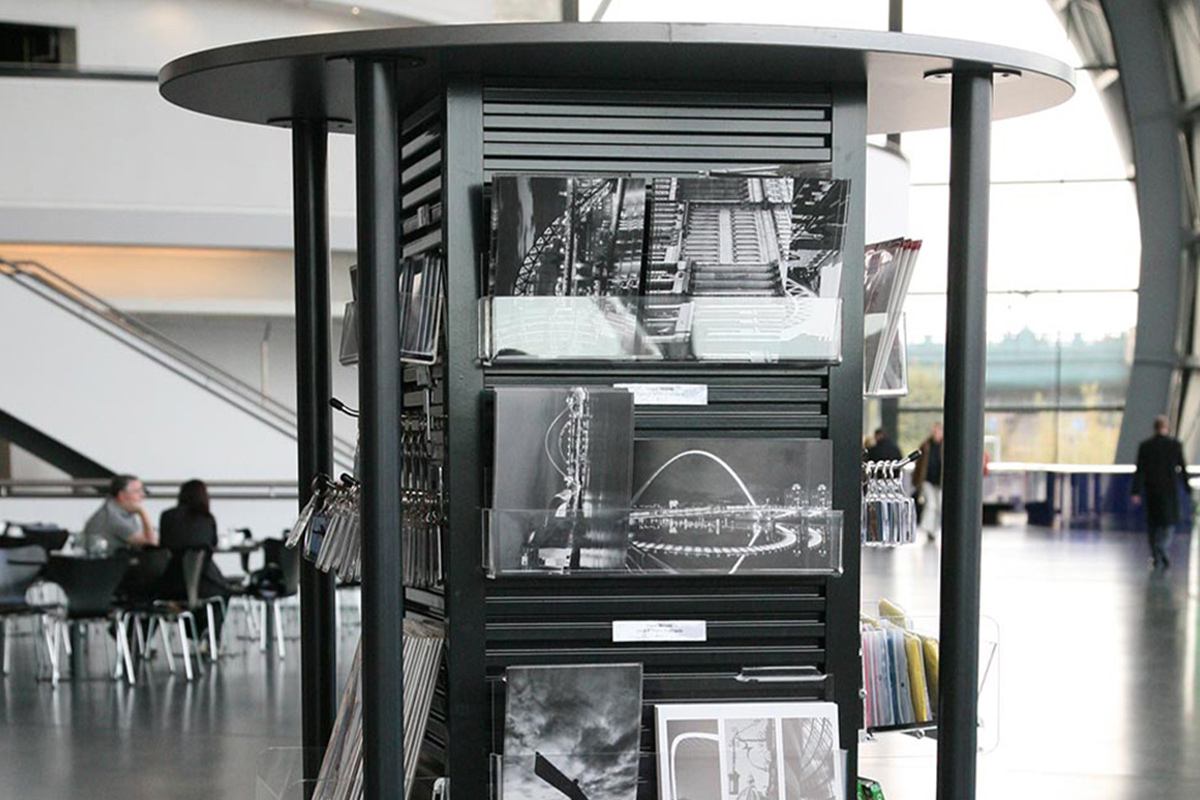
Systems designed for both wall and floor applications support a cohesive store environment. Using compatible components across the store ensures visual continuity and simplifies maintenance. Staff work with one system instead of multiple incompatible solutions.
Practical steps before implementation
Start by observing how your current walls are used. Identify which sections are adjusted most often and which remain stable. This highlights where modularity adds value.
Next, assess product characteristics such as weight and packaging. Ensure the wall system supports these requirements without reinforcement.
Finally, consider long-term adaptability. A store wall concept should support future changes without requiring structural modifications. Systems that are part of a broader modular range offer this continuity. Testing a limited section before full implementation helps validate usability.
From store wall concept to daily use
Store wall concepts shape both customer experience and internal workflows. Systems that combine spatial structure with operational flexibility support consistent branding and efficient daily use.
If you want to assess which store wall concept fits your retail environment, you can contact Microslat for technical advice, layout assessment, or system specifications. Based on your store size, product mix, and update frequency, you can receive targeted guidance or a tailored quotation. This supports a controlled transition from concept to a functional store wall solution.