Modular panels for architects: reconfiguarable design without limits
The way buildings are used is changing. Offices are reorganized more frequently, retail environments adapt to seasonal collections and brand updates, and public spaces must accommodate different functions over time. As a result, interior architecture increasingly requires solutions that can evolve without structural modifications.
Traditional wall systems and fixed interior elements often limit this flexibility. Adjusting them usually involves construction work, demolition, or complete redesigns. This process takes time, increases costs, and generates unnecessary waste.
Modular panel systems offer a different approach. Instead of permanent installations, architects can design spaces using adaptable components that can be reconfigured when requirements change. With modular wall panels from MicroSlat™, interiors can be reorganised without structural interventions while maintaining a consistent architectural concept.
In this blog:

Why architects choose modular systems
Flexible layouts
One of the main advantages of modular systems is their ability to adapt to changing spatial needs. Walls and display surfaces can be repositioned or expanded without structural intervention.
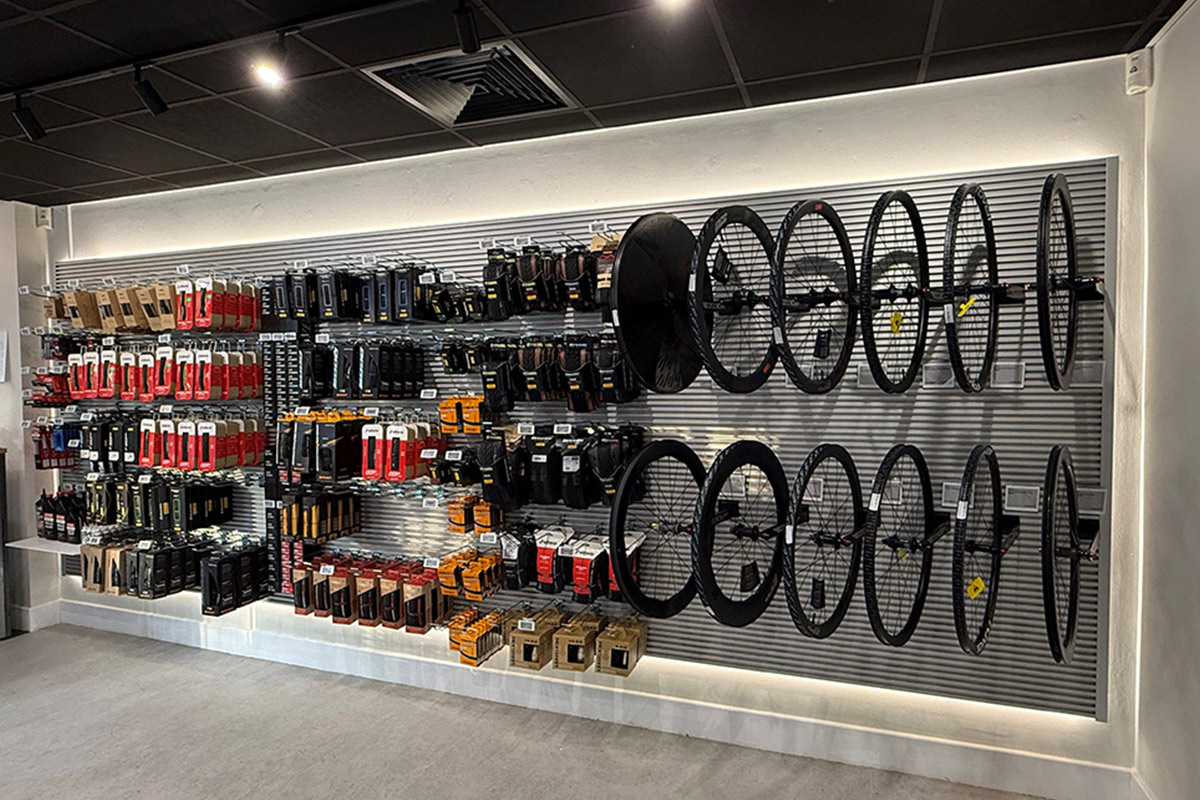
For example, a retail space may reorganize product categories several times per year. With a modular system, this can be done by adjusting the configuration of panels and accessories rather than rebuilding the interior.
Architects can therefore design spaces that remain functional even when the use of the space evolves.
Fast installation
Modular systems are typically prefabricated and assembled on site. Because the components are standardized, installation is more predictable and often faster than traditional construction methods.
This reduces disruption during the build phase and can shorten project timelines, which is particularly relevant in commercial environments where downtime needs to be minimized.
Long-term adaptability
Many buildings undergo multiple interior renovations during their lifespan. With conventional construction, this often means replacing materials that are still structurally sound.
Modular systems make it possible to reuse existing components in new configurations. This helps extend the lifespan of materials and reduces the need for repeated construction work.
Material choice: why aluminium is often used
Material selection plays an important role in the performance of modular systems. Aluminium is commonly used because it combines several practical advantages.
First, aluminium offers high structural strength while remaining lightweight. This makes it suitable for wall-mounted systems and larger surfaces without adding excessive load to the building structure.
Second, aluminium is dimensionally stable. Unlike materials such as wood or MDF, it does not warp or expand significantly due to humidity or temperature changes. This helps maintain consistent panel alignment and surface quality over time.
Another important factor is durability. Aluminium is naturally corrosion resistant and requires little maintenance, making it suitable for high-traffic environments such as retail stores, museums, and public buildings.
Finally, aluminium is fully recyclable. The material can be reused without losing its structural properties, which contributes to more sustainable material cycles within construction and interior design.
Reconfigurable interiors: applications for architects
Modular panel systems are used in a wide range of architectural environments where flexibility is important.
Retail and brand environments
Retail spaces frequently adjust layouts to introduce new collections, seasonal displays, or updated brand concepts. Modular panels allow stores to reorganize product presentation without rebuilding walls or fixtures.
This approach is especially useful for brands with multiple locations that need consistent interior systems across different stores.
Offices and workspaces
Office environments have changed significantly with the rise of hybrid work models. Teams grow, shrink, or reorganize regularly, which means interior layouts must adapt as well.
Modular panels can support storage, display, or spatial organization while remaining adjustable as workplace needs evolve.
Museums and galleries
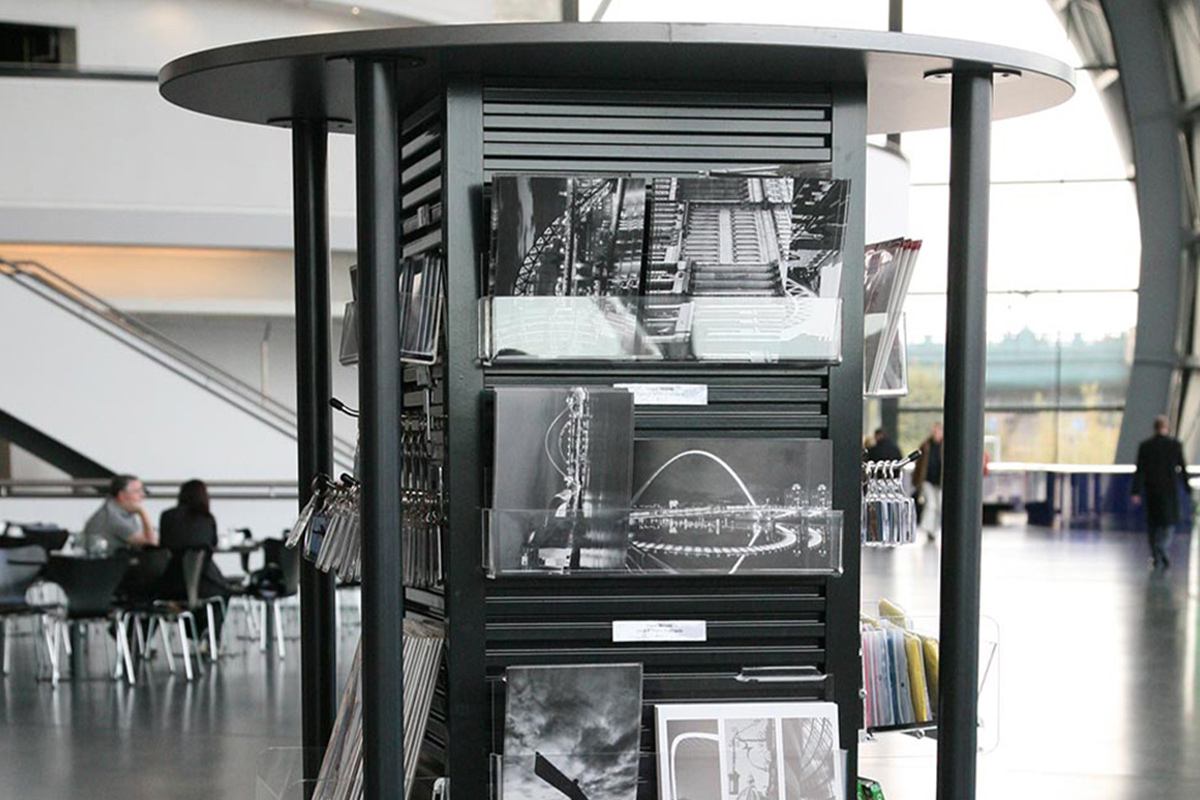
Museums and exhibition spaces regularly install new exhibitions with different spatial requirements. Modular systems allow curators and designers to adjust display structures without constructing new walls for each exhibition.
This flexibility supports both temporary and permanent exhibition layouts.
Hospitality and public environments
Hotels, cultural centres, and public buildings often host different types of events or functions within the same space. Modular systems allow spaces to be reconfigured without permanent changes to the building structure.
You can explore different applications of MicroSlat™ systems across retail, office environments, exhibitions and public spaces.
Design freedom without structural limitations
A common concern with modular systems is whether they restrict architectural creativity. In practice, these systems often expand design possibilities.
Panels can be produced in different finishes, colors, and textures, allowing them to integrate into a wide range of architectural concepts. Architects can combine panels with shelving, integrated lighting, or display components to create functional surfaces that also contribute to the visual identity of the space.
Because the system itself remains adaptable, designers can plan interiors that maintain their design language even as the layout changes.
Different MicroSlat™ accessories and components make it possible to integrate shelving, hooks, displays and other functional elements within the same modular structure.
This makes it possible to create interiors that are both visually consistent and operationally flexible.
Sustainability and circular design
Sustainability is becoming an increasingly important consideration in architecture. Modular systems support this by enabling reuse and reducing material waste.
Instead of removing and discarding built-in structures during renovations, existing panels and components can be relocated or integrated into a new configuration. This reduces the volume of construction waste and lowers the environmental impact of interior updates.
The use of durable materials such as aluminium also contributes to longer product lifecycles. When materials remain in use for longer periods, fewer resources are required for replacement and manufacturing.
In this way, modular systems align with circular design principles where materials remain part of the building ecosystem rather than becoming waste after each renovation.
Practical benefits for architectural projects
Beyond design flexibility, modular systems also provide practical advantages during project development and building operation.
Adjustments to the interior can often be made quickly, which reduces downtime in commercial environments. Retail stores, exhibition spaces, or offices can update layouts without long renovation periods.
Lifecycle costs may also be lower. While the initial installation may be comparable to traditional solutions, the ability to reuse and reconfigure components can reduce future renovation expenses.
For brands or organizations operating in multiple locations, modular systems can also support standardized interior concepts that can be implemented across different sites.
MicroSlat™: a modular system for adaptable spaces
Interior architecture is increasingly moving toward adaptable environments. Buildings are expected to support changing functions, evolving organizations, and new ways of using space.
MicroSlat™ modular panel systems support this shift by allowing architects to design interiors that can evolve without structural reconstruction. By combining flexibility, durable aluminium materials, and reconfigurable components, MicroSlat™ offers a system that supports both long-term functionality and consistent design. For architects, this means creating spaces that are not only designed for current needs, but also prepared for future changes.