Partition wall panels for adaptive office and retail interiors
Office and retail environments are changing faster than traditional interiors can keep up. Teams grow and shrink, work patterns shift, and retail formats evolve with seasons, campaigns, and customer behaviour. This raises a practical question: how can partition wall panels support constant change without rebuilding spaces over and over again?
In this article, we look at how modular partition wall panels enable adaptive office and retail interiors, and how MicroSlat™ fits into this approach.
In this blog:

What are partition wall panels in adaptive interiors?
Partition wall panels are demountable wall and panel systems used to divide space into zones, rooms, or functional areas without permanent construction. Unlike traditional stud walls, these systems are designed to be reconfigured, relocated, or reused as layouts change.
In office and retail interiors, partition panels are commonly used to:
- define work zones or meeting areas
- create shop zones or temporary layouts
- guide sightlines and circulation
- separate functions without closing off space
Their value lies in flexibility, speed of change, and long-term reuse.
Why do offices and retail spaces need adaptive partition systems?
Modern interiors are no longer static. Offices shift between collaboration, focus, and hybrid working. Retail spaces adapt to new collections, campaigns, or shop-in-shop concepts.
Fixed construction slows this down. Demountable partition systems allow organisations to:
- change layouts without downtime
- respond quickly to operational needs
- reuse existing infrastructure instead of rebuilding
- relocate systems when expanding, downsizing, or moving
Adaptability reduces cost, waste, and planning complexity over time.
Which types of partition wall systems are commonly used?
Adaptive office and retail interiors typically combine several system types depending on scale and use.
Common categories include:
- demountable system walls built from modular profiles and interchangeable panels
- sliding or movable wall panels suspended from overhead rails for rapid space division
- freestanding modular panels used to create zones, backdrops, or islands
These systems are selected based on speed of change, visual openness, and compatibility with existing interiors.
How do modular panel systems support frequent layout changes?
Modular panel systems are designed around standard dimensions and repeatable connections. This allows panels to be added, removed, or repositioned without structural changes.
Key operational advantages include:
- fast installation and reconfiguration
- minimal tools or specialist labour
- flat storage of unused components
- predictable reuse across multiple projects
In many cases, reconfiguration can be handled by in-house teams or local installers, keeping operational control close to the organisation.
How does MicroSlat™ relate to partition wall thinking?
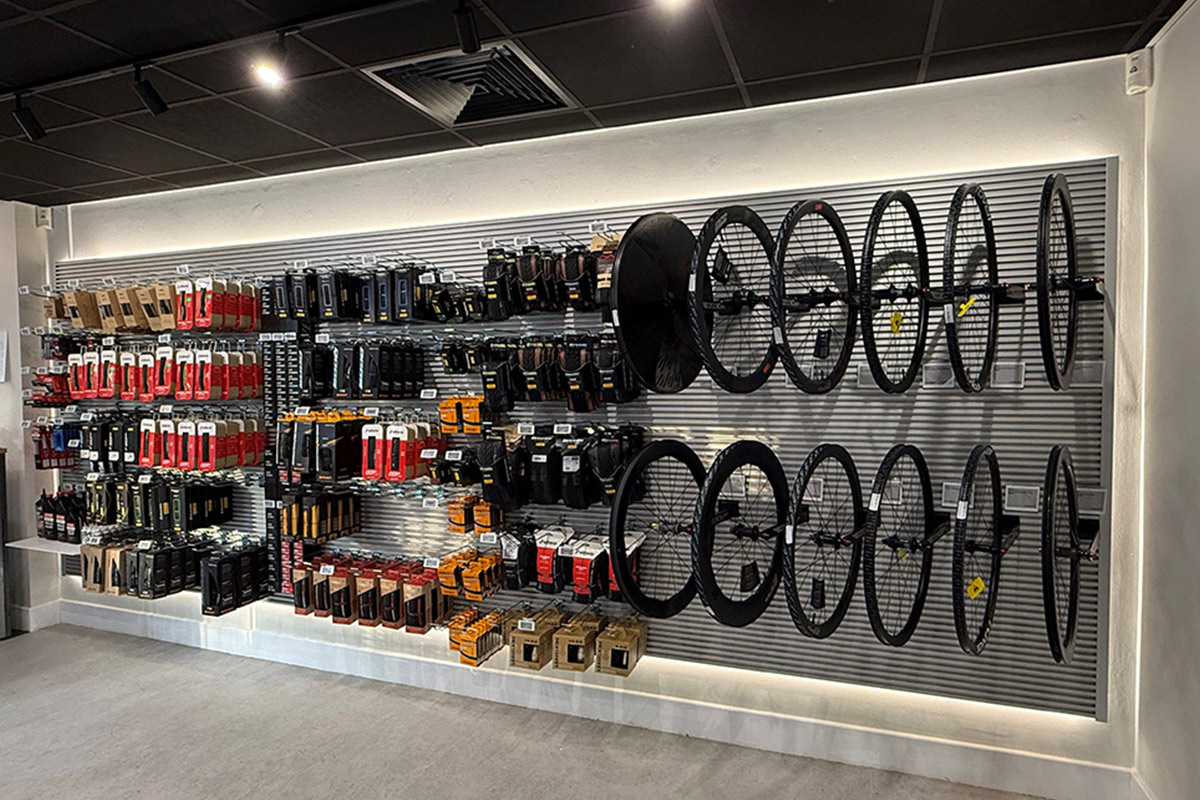
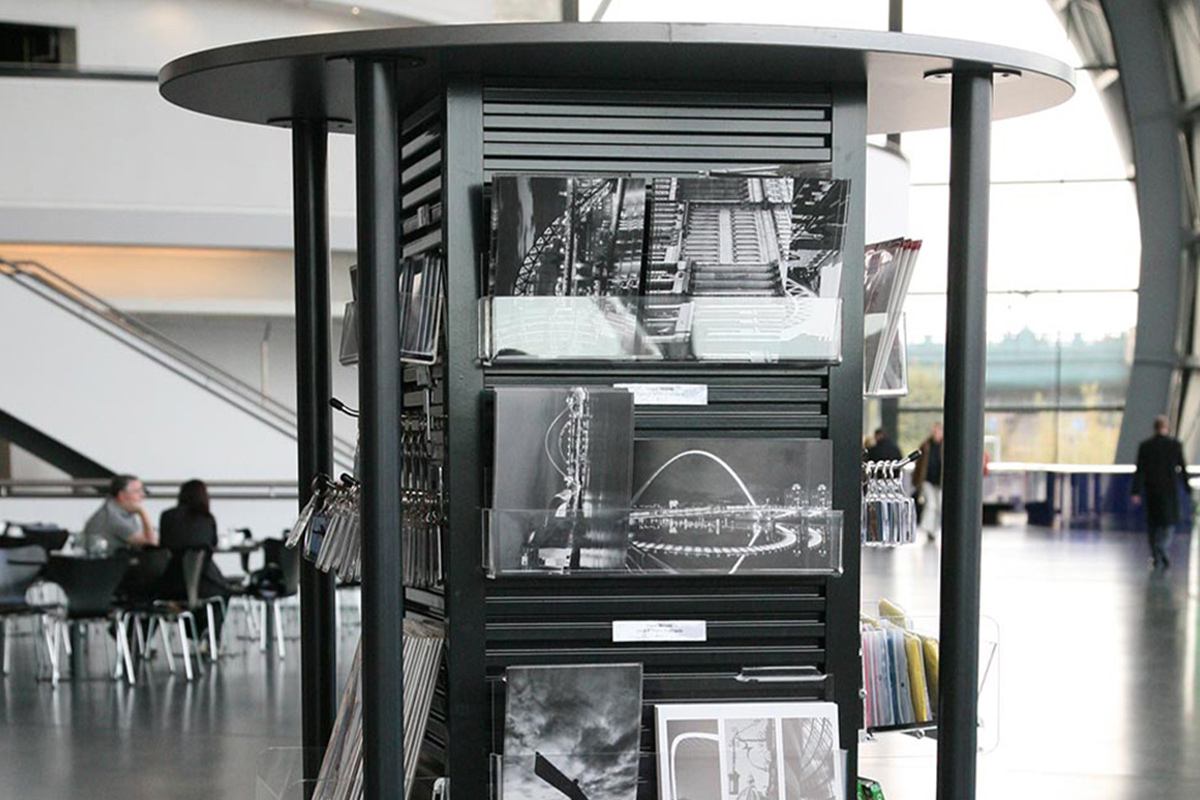
MicroSlat™ provides modular aluminium wall and freestanding systems that align closely with partition wall logic, while extending it.
Rather than acting as closed walls, MicroSlat™ systems function as modular skins applied to walls or used as freestanding structures. By repositioning panels, shelves, or accessories, a single structure can shift function over time, for example:
- from retail display to storage
- from workspace backdrop to meeting zone
- from shop zoning to brand presentation
This makes MicroSlat™ particularly suitable for interiors where zoning and use change frequently.
What role does modularity play in long-term cost control?
Traditional interiors often require demolition and rebuilding when layouts change. Modular systems reduce this by keeping structural hardware in use while allowing content and layout to evolve.
This leads to:
- lower total cost of ownership
- reduced material waste
- shorter reconfiguration cycles
- less disruption to daily operations
Investment shifts from one-time construction to long-term infrastructure.
How do partition systems influence spatial efficiency?
In offices and retail spaces with limited floor area, vertical organisation becomes essential.
MicroSlat™ systems are based on a fine aluminium slat grid that allows intensive vertical use of walls and freestanding panels. This supports:
- dense yet organised layouts
- efficient use of narrow footprints
- flexible placement of panels and accessories
This is particularly relevant in compact retail formats and high-traffic environments.
Why does visual consistency matter in adaptive interiors?
Frequent layout changes can lead to visual fragmentation if systems lack a consistent design language.
Partition wall systems benefit from:
- neutral, architectural profiles
- repeatable proportions and finishes
- compatibility across multiple locations
MicroSlat™ maintains visual continuity even as layouts change, helping organisations preserve brand identity and spatial clarity.
What should be considered when selecting partition wall panels?
Choosing a partition system is a long-term decision. Key selection criteria include:
- structural stability and load capacity
- alignment with building regulations and safety requirements
- fire performance of materials used
- ease of reconfiguration and maintenance
- availability of spare parts and long-term support
MicroSlat™ systems are manufactured from aluminium, a non-combustible material that meets Euroclass A1 fire classification, supporting use in professional office and retail environments.
How do adaptive partition systems support sustainability goals?
Sustainability in interiors is driven by reuse rather than replacement.
Modular partition systems contribute by:
- reducing single-use construction
- extending material lifespan
- enabling refurbishment instead of disposal
- supporting circular interior strategies
Aluminium systems like MicroSlat™ combine durability with full recyclability, aligning with long-term environmental objectives.
Why are adaptive partition panels a strategic choice for offices and retail?
Adaptive interiors require infrastructure that supports change rather than resists it.
Partition wall panels designed for flexibility allow organisations to:
- respond quickly to new ways of working or selling
- scale layouts up or down without rebuilding
- maintain consistency across multiple locations
- invest once and adapt repeatedly
In this context, modular partition systems become strategic tools rather than fixed interior elements.
Ready to build adaptable interiors with MicroSlat™
For organisations that want interiors to remain flexible, efficient, and future ready, choosing the right infrastructure is essential. MicroSlat™ offers modular aluminium wall and freestanding systems designed for long-term use across office and retail environments. Whether you are planning a new layout, rethinking an existing space, or rolling out a concept across multiple locations, MicroSlat™ provides a reliable and adaptable foundation. Explore the system options or get in touch to discuss how MicroSlat™ can support your project with scalable, reusable solutions built to evolve with your needs.