Museum displays engineered for flexibility and curatorial freedom
Museums and galleries are no longer static environments. Collections change, narratives evolve, and exhibitions are expected to adapt faster than ever. This raises a fundamental question: how can museum display systems support curatorial freedom without increasing costs, complexity, or operational risk?
In this article, we look at how flexible museum display systems give curators more freedom to rethink layout, storytelling, and object presentation, without compromising on safety, practicality, or sustainability.
In this blog:

Why does curatorial freedom depend on display flexibility?
Curatorial freedom is limited when exhibition infrastructure is fixed. Permanent walls, hardwired mounts, and bespoke constructions make change slow, expensive, and difficult to reverse.
Flexible museum display systems remove these constraints by allowing curators to:
- adapt narratives without structural modifications
- test alternative routes and sightlines
- reorganise object groupings efficiently
- respond to loans, conservation needs, or audience behaviour
When display elements can be repositioned independently, curators regain control over both space and timing.
What makes a museum display system truly modular?
A modular display system is not simply a collection of parts. It is a coherent framework built from reusable components that function together as well as independently.
In practice, modular museum displays consist of:
- panels that connect across different layouts
- floor-based structures that require no permanent fixing
- hanging and barrier elements that follow the same dimensional logic
- components that can be redeployed across multiple galleries
This approach allows exhibitions to be treated as evolving configurations rather than one-off constructions.
How does reconfigurability improve exhibition workflows?
Reconfigurable systems reduce dependency on external contractors and significantly shorten turnaround times between exhibitions.
Operational benefits include:
- faster installation and deinstallation
- reduced need for specialist tools or crews
- easier storage and reuse of components
- predictable planning for future exhibitions
For museums with frequent temporary shows or rotating collections, this leads to lower long-term costs and greater internal autonomy.
How do flexible systems support curatorial practice in real spaces?
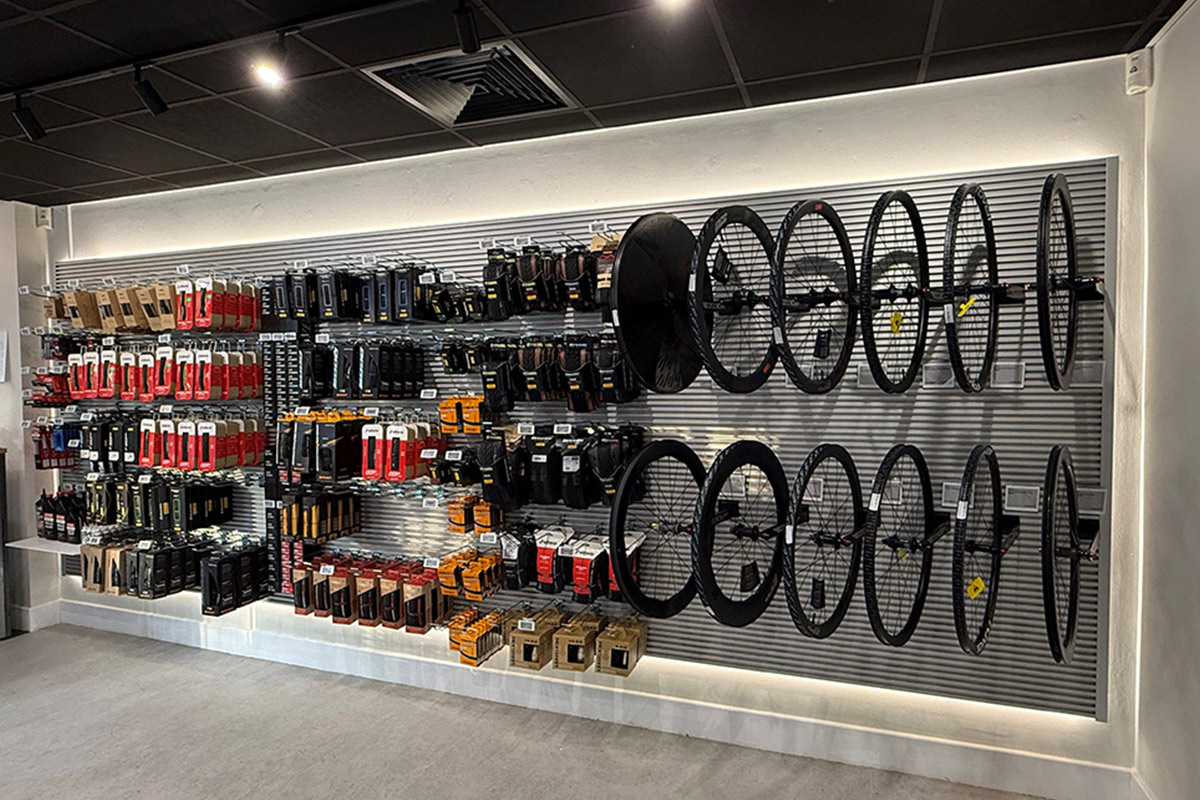
Display systems that support this level of flexibility must be modular, predictable, and easy to reuse across different exhibition contexts. Systems such as MicroSlat™ are developed with this principle in mind, enabling curators and technical teams to reconfigure layouts without introducing visual clutter, structural changes, or operational complexity.
This allows curatorial decisions to drive spatial design, rather than the limitations of the infrastructure.
What types of flexible museum display systems are commonly used?
Flexible exhibition environments typically combine several system types rather than relying on a single solution.
Commonly used systems include:
- demountable wall systems built from standardised frames and panels
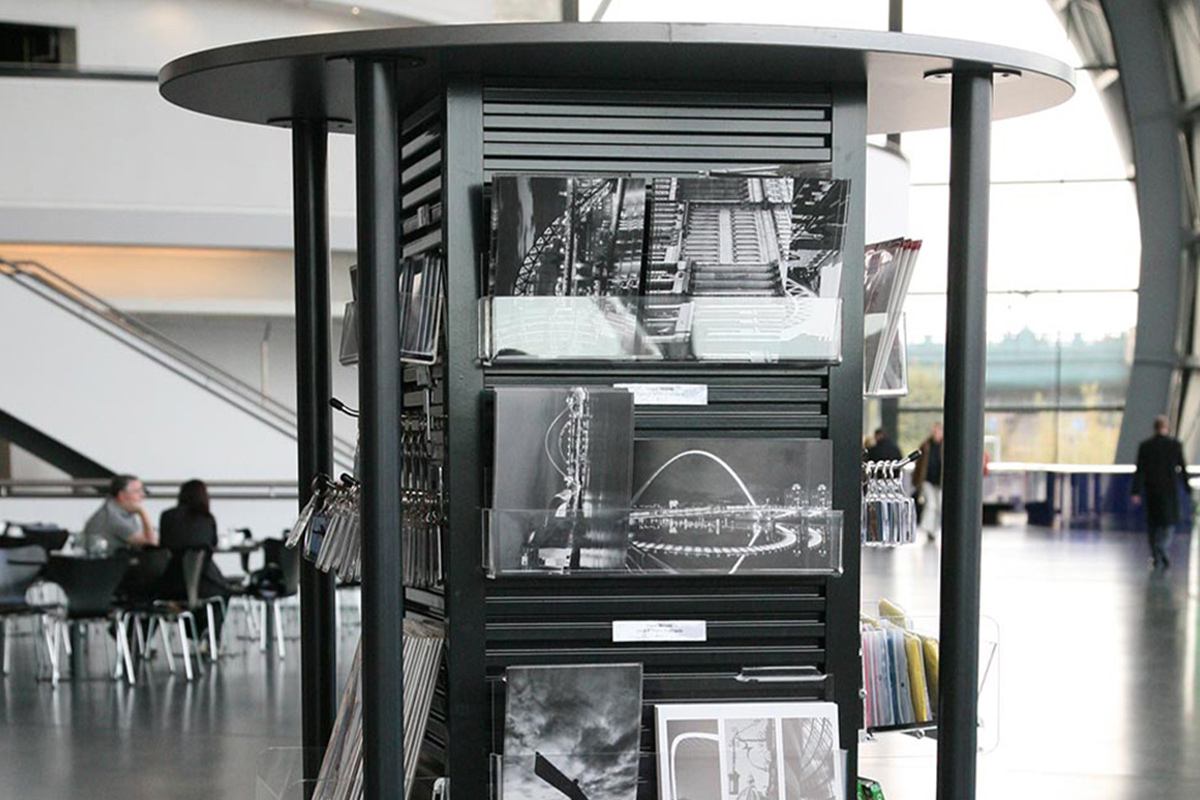
- freestanding display structures for graphics, objects, and photography
- panel and barrier systems combining object protection with information and wayfinding
- adjustable hanging systems that allow artworks to be repositioned without new fixings
Together, these systems form a toolkit that can be adapted to a wide range of curatorial scenarios.
How do flexible displays influence exhibition storytelling?
Exhibition narratives are rarely linear. Themes overlap, objects interact across contexts, and visitor routes shift depending on space and crowd dynamics.
Flexible display systems enable:
- rapid reorganisation of thematic zones
- experimentation with alternative narrative sequences
- layered presentations within limited floor space
- temporary interventions without disrupting the core exhibition
This makes experimental and non-linear exhibition formats feasible without increasing operational risk.
What does flexibility mean for visitor experience and accessibility?
Visitor experience is shaped by visibility, movement, and comfort. When displays can be adjusted easily, museums can respond to real visitor behaviour rather than relying solely on pre-exhibition assumptions.
Flexible systems allow institutions to:
- refine routing based on crowd flow
- improve sightlines for diverse visitor groups
- create step-free access routes
- introduce rest areas without redesigning the exhibition
Accessibility becomes an ongoing process rather than a fixed design outcome.
Which technical requirements are essential in flexible museum displays?
Flexibility must never compromise safety, conservation, or compliance.
Key technical requirements include:
- sufficient load capacity for heavy or fragile objects
- stability of freestanding walls and structures
- compliance with fire and safety regulations
- compatibility with lighting and climate systems
- low-tool or tool-free assembly to minimise errors
A flexible display system is only effective if it performs reliably under everyday museum conditions.
How do modular systems contribute to sustainability goals?
Sustainability in exhibition design is largely determined by reuse and longevity.
Systems designed for repeated reconfiguration:
- reduce material waste
- limit single-use construction
- support long service life
- allow components to be refurbished rather than replaced
This aligns with circular design strategies increasingly adopted by museums and cultural institutions.
Why is visual neutrality important in museum display design?
Display infrastructure should support the collection, not compete with it.
Visually neutral systems:
- keep focus on artworks and artefacts
- maintain consistency across changing exhibitions
- integrate into both historic and contemporary spaces
- reinforce institutional identity through restraint
A consistent visual language allows exhibitions to evolve without visual disruption.
How can museums adopt flexible display systems strategically?
For institutions seeking long-term benefits, a phased and standardised approach is often most effective.
Typical steps include:
- mapping future exhibition types and frequencies
- selecting one or two core system families
- standardising dimensions and components
- establishing internal protocols for use and storage
- testing new layouts through pilot installations
This turns flexibility into an institutional capability rather than a one-time solution.
Flexible infrastructure as a long term curatorial strategy
In contemporary museums, flexibility has become a fundamental requirement rather than a nice to have. It enables curators to work with evolving narratives, changing collections, and shifting visitor needs without being constrained by fixed infrastructure. MicroSlat™ supports this approach by providing a modular display framework that can be reconfigured, reused, and adapted over time. By separating exhibition content from permanent construction, institutions gain long term resilience, operational efficiency, and curatorial control. In that sense, flexibility is not simply a design decision, but a strategic investment in how exhibitions are conceived, built, and maintained.