Exhibition display systems that simplify setup and enhance presentation
Trade fairs, exhibitions, and in-store events demand clear planning. You have limited time to set up your stand, limited space to work with, and only a short window to make an impression. In that context, your exhibition display system plays a practical role. It determines how fast you can build your presentation, how consistent your brand looks, and how easily you can adapt to different locations.
An exhibition display is not just a visual element. It is a working system that affects logistics, staffing, and daily operations. Choosing the right setup helps you reduce preparation time, avoid technical problems on site, and present your products in a structured way. In this article, you will learn how modern exhibition display systems simplify setup and how they support clear, functional presentation.
In this blog:

What an exhibition display system actually is
An exhibition display system consists of modular components that form the structure of your stand or presentation area. These components include panels, frames, shelves, hooks, and graphic elements. Together, they create a flexible framework for displaying products and information.
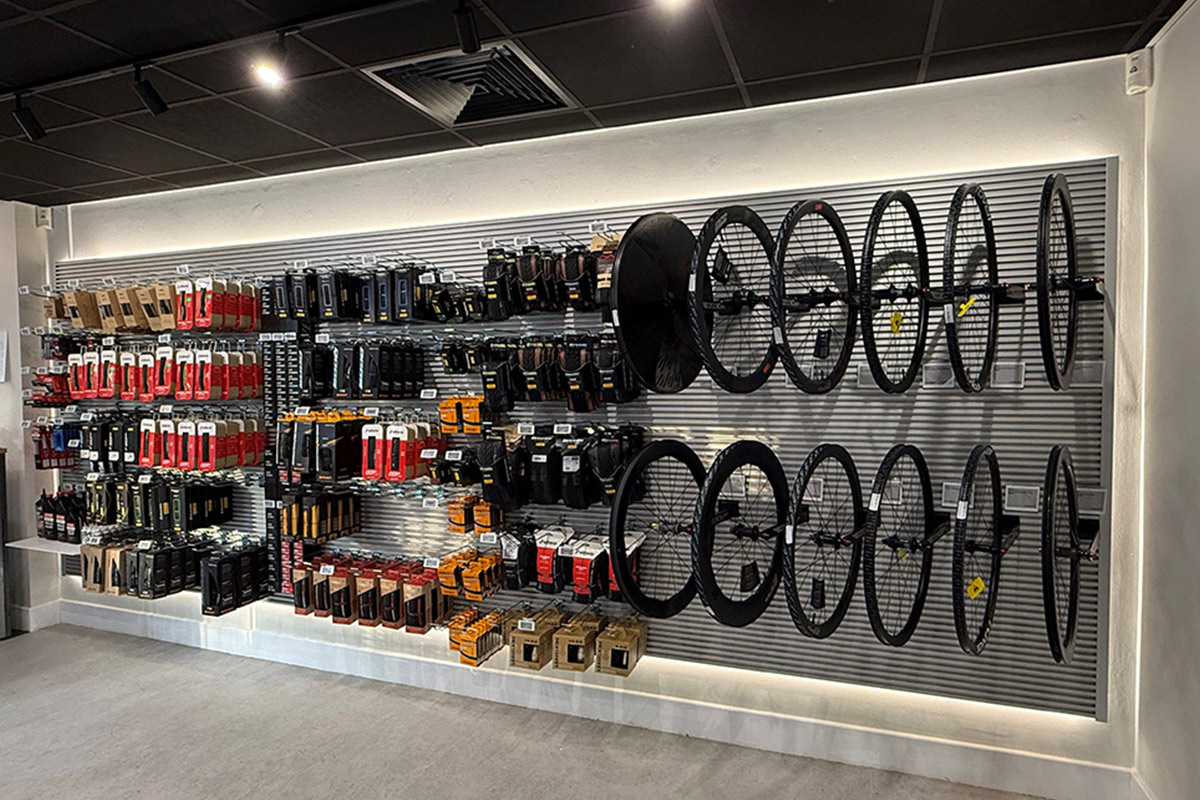
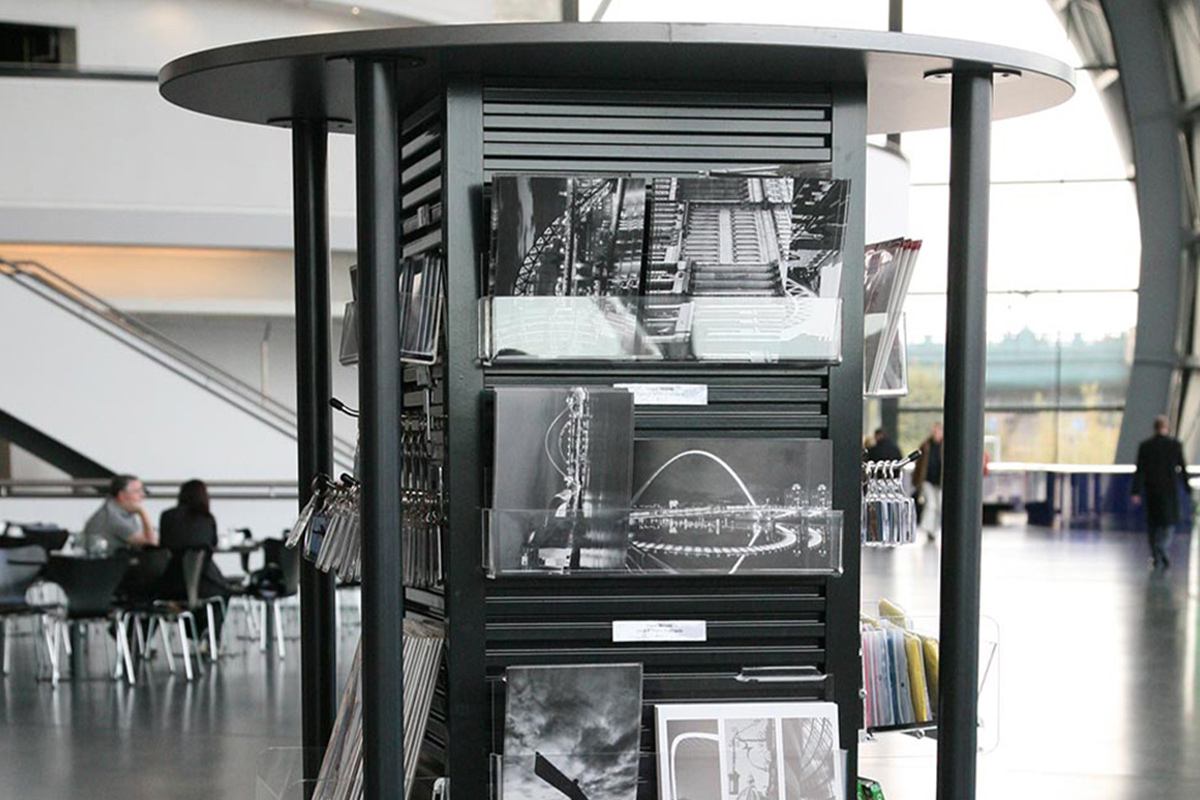
Unlike traditional custom-built stands, modular systems are designed for repeated use. You can dismantle them after an event, transport them, and rebuild them at the next location. Systems based on aluminium slatwall panels allow you to rearrange shelves and accessories without changing the base structure.
For complete setups, modular display systems combine these panels with frames and connectors into a stable exhibition structure.
In practice, this means you work with standardized elements that fit together in a predictable way. You know in advance how much space you need, how long setup takes, and which components are required.
Why fast and reliable setup matters
Setup time has a direct impact on costs and operational planning. When installation takes longer than expected, you may need extra staff or external support. This increases expenses and reduces preparation time.
Modern exhibition displays are designed to limit these risks. Many systems use fixed mounting profiles and pre-aligned connectors. Shelves and accessories are mounted without complex tools. Panel systems are positioned and secured in fixed sequences.
When working with pre-configured display components that are also used in retail environments, large parts of your exhibition setup can be prepared in advance.
Panels and frames can be pre-fitted in your warehouse, so on-site work is limited to placement and alignment.
Before choosing a system, check three practical points:
- How many people are needed for setup?
- How long does full installation take under normal conditions?
- Can damaged parts be replaced individually?
Clear answers to these questions help you avoid unexpected problems.
How exhibition displays improve presentation quality
Presentation quality depends on structure. Visitors scan a stand in seconds. They look for logical grouping, clear sightlines, and accessible products. An exhibition display system supports this by offering fixed positioning options.
Slatwall panels allow you to align shelves and hooks at consistent heights. Modular shelving systems help you separate product categories and create clear pathways. This prevents clutter and reduces visual noise.
Well-designed systems also make content updates easier. You can replace a graphic panel, move a product group, or adjust spacing without rebuilding the entire stand. This is especially useful when you attend multiple events with different audiences.
In practice, this means you can prepare several layouts in advance: one for product launches, one for catalog displays, and one for demonstrations. You reuse the same components but change the configuration.
Key characteristics of practical exhibition display systems
A functional exhibition display system focuses on usability and durability. When evaluating options, pay attention to the following characteristics.
Modularity
Each component should fit into multiple configurations. Panels, shelves, and frames should work in different combinations.
Weight and transport
Lightweight materials reduce transport costs and physical strain. Check whether components fit into standard flight cases or pallets.
Connection systems
Fast connectors, slide rails, and locking profiles reduce installation time. Avoid systems that require precise alignment with loose screws.
Compatibility
Your display should integrate with existing shop displays and fixtures. Systems used in retail environments can often be transferred directly to exhibition settings.
Storage efficiency
After dismantling, components should stack or nest efficiently. This lowers storage costs and speeds up preparation for the next event.
Each of these elements affects how often you can reuse your display and how much maintenance is required over time.
Who benefits most from modular exhibition displays
Modular exhibition displays are particularly useful when you attend multiple events per year. If your company participates in regional fairs, international exhibitions, and in-store promotions, a flexible system reduces the need for custom builds.
Marketing teams with limited technical support also benefit. When internal staff can handle setup independently, you avoid relying on external contractors. This increases control over timing and layout.
Brands that operate across several locations gain consistency. By using the same base system everywhere, you ensure that product presentation and branding remain recognizable.
Practical steps when selecting your system
Before purchasing an exhibition display, map your typical use cases. List the average stand size, transport method, and storage capacity. Identify which product categories need the most space and which require frequent updates.
Next, test sample components. Assemble a small section in your warehouse or office. Measure setup time and check stability. Evaluate whether shelves and hooks support your actual product weight.
Finally, review expansion options. A system should allow you to add panels, extensions, or accessories later. Modular display systems with scalable components support long-term growth.
This approach helps you make decisions based on real usage, not catalog images.
Moving from orientation to implementation
An exhibition display system influences your workflow long after the first installation. It affects preparation time, transport planning, and how easily you can adapt to new events. Systems that simplify setup and support structured presentation reduce operational friction and improve consistency.
If you want to assess which exhibition display solution fits your situation, you can contact Microslat for practical advice, layout evaluation, or technical specifications. Based on your stand dimensions, product range, and event schedule, you can receive targeted guidance or a tailored quotation. This helps you move from orientation to a concrete, workable setup.