Black slatwall panels: when contrast becomes a design statement
In many interior concepts, walls are designed to remain in the background. Neutral colours and minimal structures ensure that products, materials or displays receive the attention. Yet in certain environments, designers deliberately choose the opposite approach: a wall surface that creates contrast and visual definition.
Black slatwall panels are increasingly used for this purpose. The dark finish creates a strong visual base that highlights products, signage and materials placed in front of it. At the same time, the slatted structure maintains the functional flexibility required for shelving, hooks and display accessories.
For architects, retail designers and store planners, black slatwall panels offer a combination of visual impact and practical functionality. This article explores how contrast, material choice and modular systems work together to create display walls that are both expressive and adaptable.
In this blog:

Why colour matters in retail and interior design
Colour plays a central role in how people perceive a space. In retail environments, museums, showrooms and public interiors, colour influences how products stand out, how spaces feel, and how clearly the layout can be understood.
While many interiors rely on neutral tones to create calm environments, darker elements are increasingly used to introduce contrast and visual focus. Black surfaces, in particular, can define structure within a space without adding additional design elements.
Black slatwall panels are often used for this purpose. By combining a modular wall system with a darker finish, designers can create display surfaces that support both organisation and visual impact.
Creating contrast in interior architecture
Contrast is a fundamental principle in spatial design. Light surfaces reflect attention, while darker surfaces absorb it. When used strategically, this contrast helps guide how people experience a space.
Black wall panels create a clear visual backdrop against which products, signage or materials become more visible. Lighter coloured objects, packaging or branding elements stand out more clearly when placed against a darker background.
This principle is widely used in retail design, galleries and exhibitions. Instead of adding extra signage or lighting to highlight products, contrast in the wall surface itself can create visual hierarchy.
Because slatwall systems already structure the wall vertically, the addition of a black finish strengthens this architectural effect.
Black slatwall panels as a neutral but powerful base
Although black is visually strong, it often functions as a neutral background in interior design. Unlike brighter colours, it does not compete with products or branding elements.
For retail environments, this can be an advantage. Product collections often change throughout the year, and a neutral display surface allows different colour palettes and materials to remain the focus.
Black slatwall panels create a consistent base that works with various merchandising concepts. Seasonal collections, promotional displays or new product lines can be introduced without needing to redesign the entire wall structure.
Because the system itself remains unchanged, the wall continues to support new layouts and display elements.
You can explore how these modular structures function within MicroSlat™ wall systems, where panels form the architectural base for shelving and display elements.
Material and finish in modern wall systems
The performance of a wall system is influenced not only by colour but also by material choice. Aluminium slatwall panels are commonly used because they provide a combination of strength, stability and precision.
Aluminium panels maintain consistent spacing between slats and support repeated use of shelves, hooks and display elements. This is particularly important in retail environments where displays are adjusted regularly.
Black finishes on aluminium panels are typically applied through durable coating processes that maintain colour consistency and resist wear over time. This ensures that the surface retains its appearance even in high-traffic environments. Because of these characteristics, aluminium systems such as MicroSlat™ modular panels are widely used in retail, exhibitions and commercial interiors.
Applications across different environments
Black slatwall panels are used in a variety of interior contexts where contrast and structure are important.
Retail environments
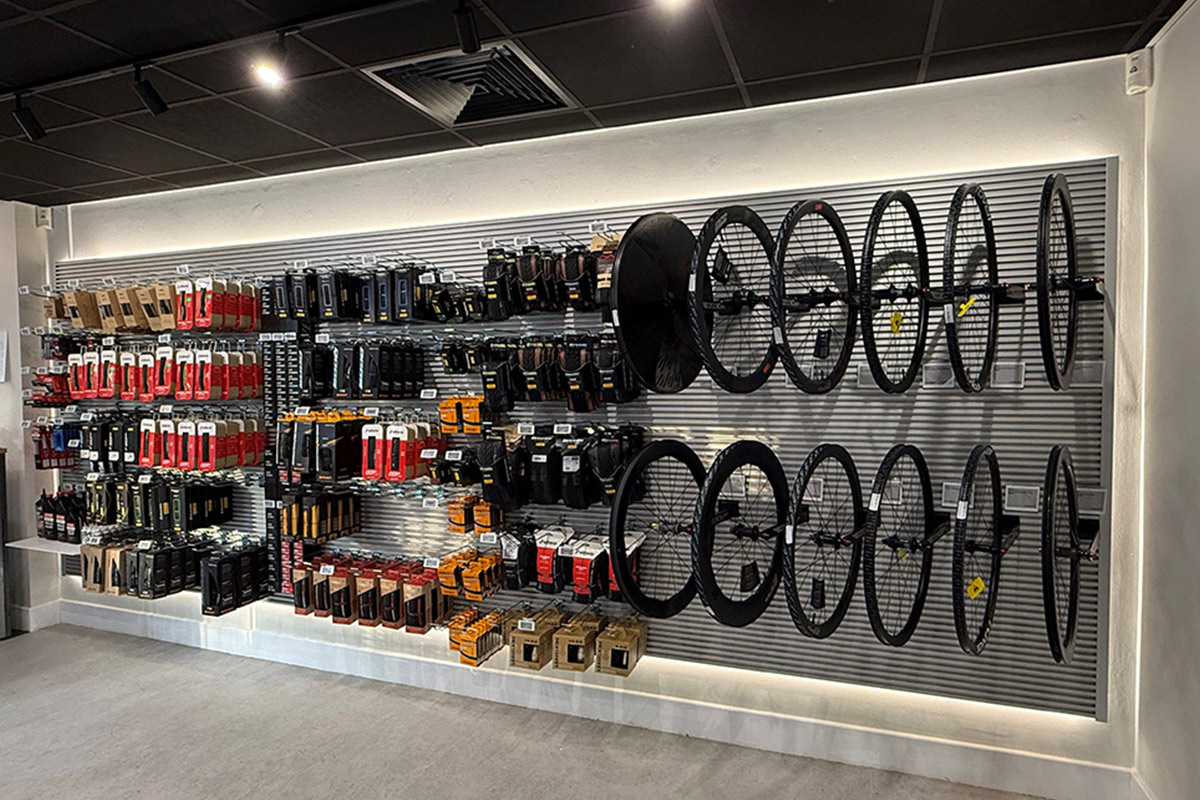
In fashion stores, technology shops and brand stores, black wall panels often serve as a background for product displays. They create a clear contrast with packaging, textiles or devices while maintaining a consistent layout.
This approach helps keep the store visually organised while still allowing individual products to stand out.
Showrooms and brand spaces
Showrooms often present products that need to be evaluated carefully, such as materials, components or equipment. Black panels create a calm visual environment where the focus remains on the displayed objects.
The modular nature of slatwall systems also allows showrooms to update layouts when new collections or product ranges are introduced.
Museums and exhibition spaces
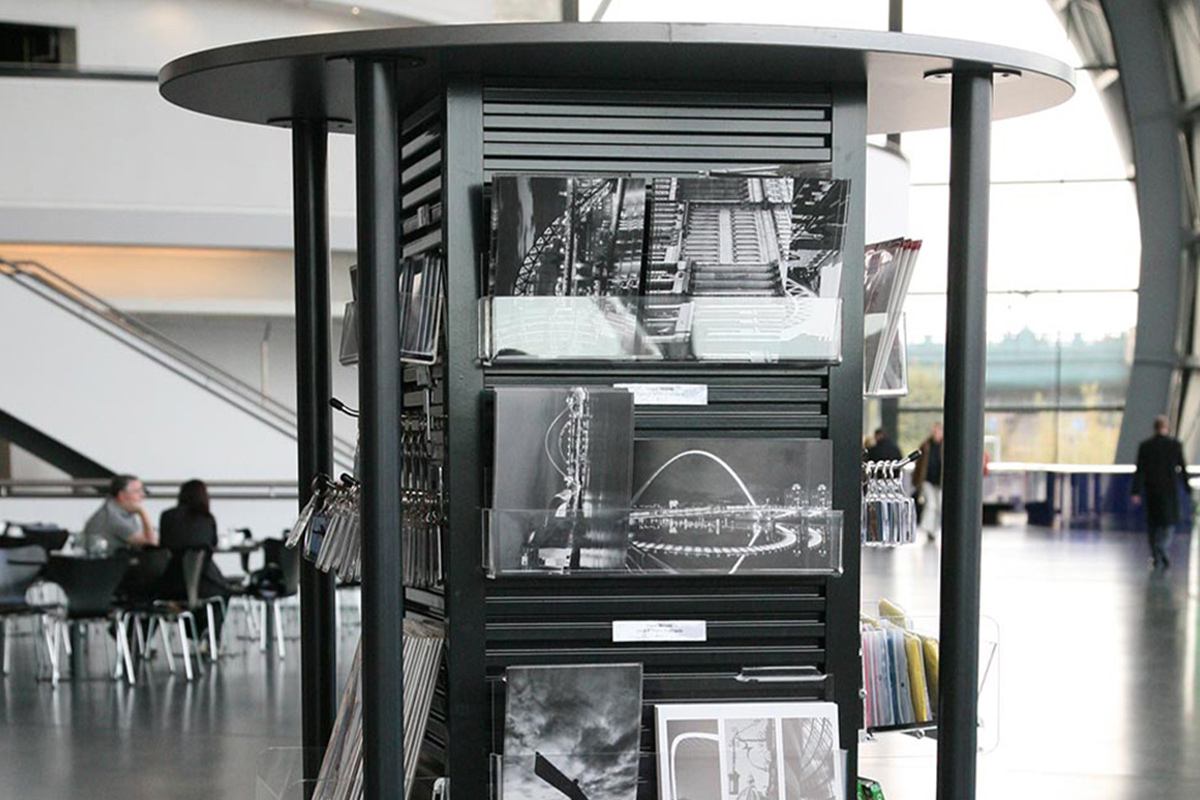
In exhibition design, darker backgrounds are frequently used to reduce visual noise and direct attention to specific objects. Black slatwall panels can support this effect while still allowing flexible mounting options for displays.
Because panels can support shelving, hooks or graphic elements, they offer practical advantages for temporary exhibitions that change regularly.
You can see different applications of MicroSlat™ systems across retail environments, showrooms and exhibition spaces.
Combining black panels with other design elements
Black slatwall panels rarely exist in isolation. Their visual strength often works best when combined with other materials and lighting conditions.
Wood textures, natural stone or lighter coloured surfaces can create balance within the space. Lighting also plays an important role. Directed lighting can highlight products against the darker background, while ambient lighting maintains overall visibility.
In many interiors, black wall panels are used selectively rather than covering every surface. Feature walls, display zones or focal areas often benefit most from the added contrast.
By integrating these panels within the broader architectural concept, designers can maintain harmony while still introducing strong visual elements.
Flexibility through modular systems
One of the key advantages of slatwall systems is their modular structure. Shelves, hooks and other accessories can be repositioned without altering the wall itself.
When combined with black panel finishes, this modularity ensures that visual contrast does not limit flexibility. Designers can adjust layouts, update merchandising concepts or reorganise display areas while maintaining the same architectural base.
This flexibility is particularly valuable in retail environments where product assortments, campaigns and displays change frequently.
A modular system allows the wall to remain a stable design element while still supporting ongoing updates. Compatible accessories such as shelving and hooks can be integrated using MicroSlat™ components.
MicroSlat™ black slatwall panels
MicroSlat™ black slatwall panels combine modular aluminium construction with a dark architectural finish. The panels provide a structured surface for shelves, hooks and display components while maintaining a consistent visual appearance.
Because the system is modular, display layouts can be adjusted without modifying the wall structure. This allows retailers, designers and architects to adapt interiors as product ranges or spatial requirements evolve.
The black finish adds contrast and visual clarity, helping products stand out while maintaining a clean and organised wall surface.